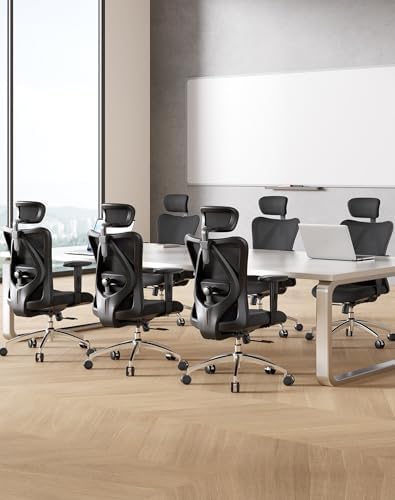
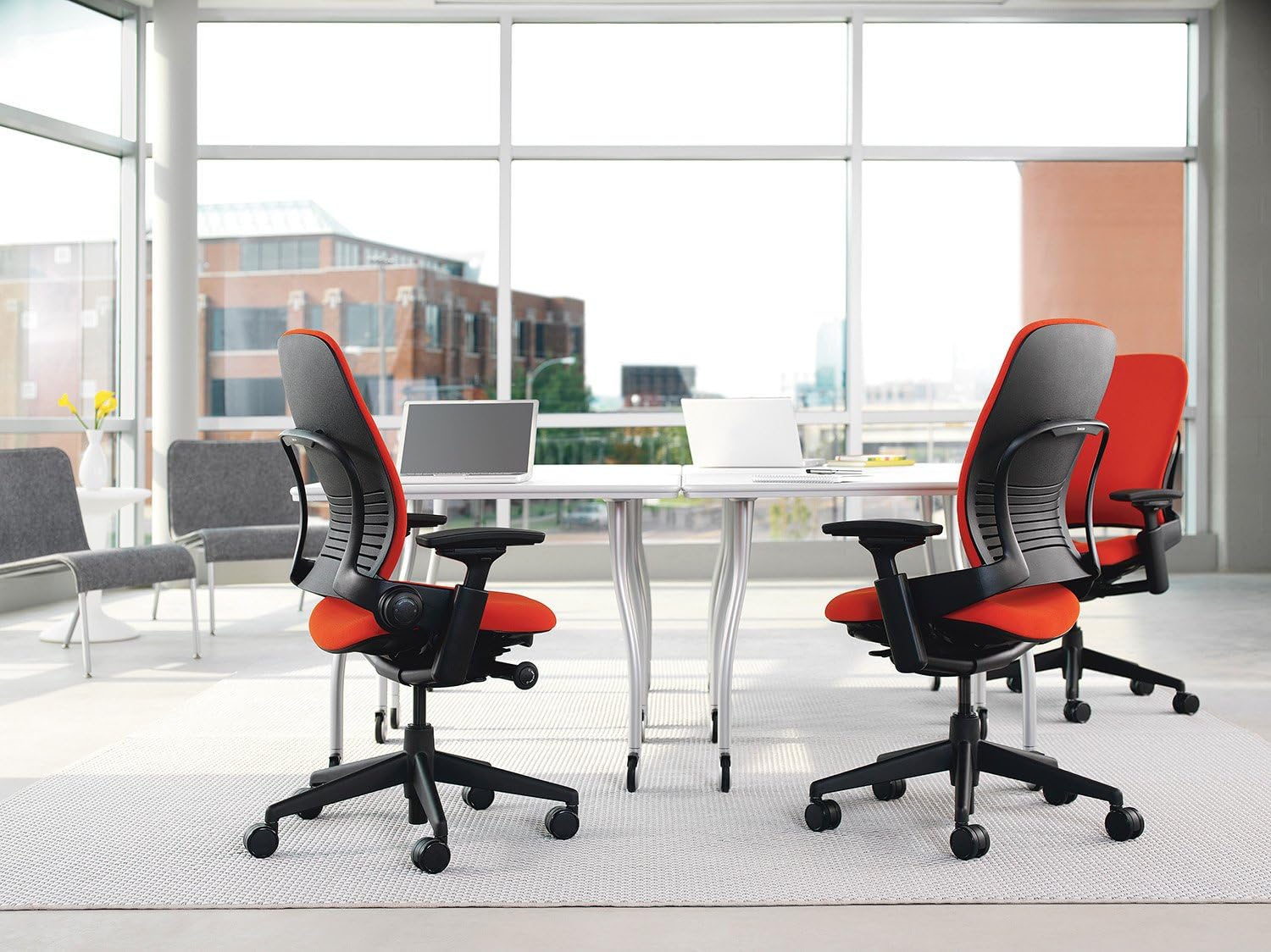
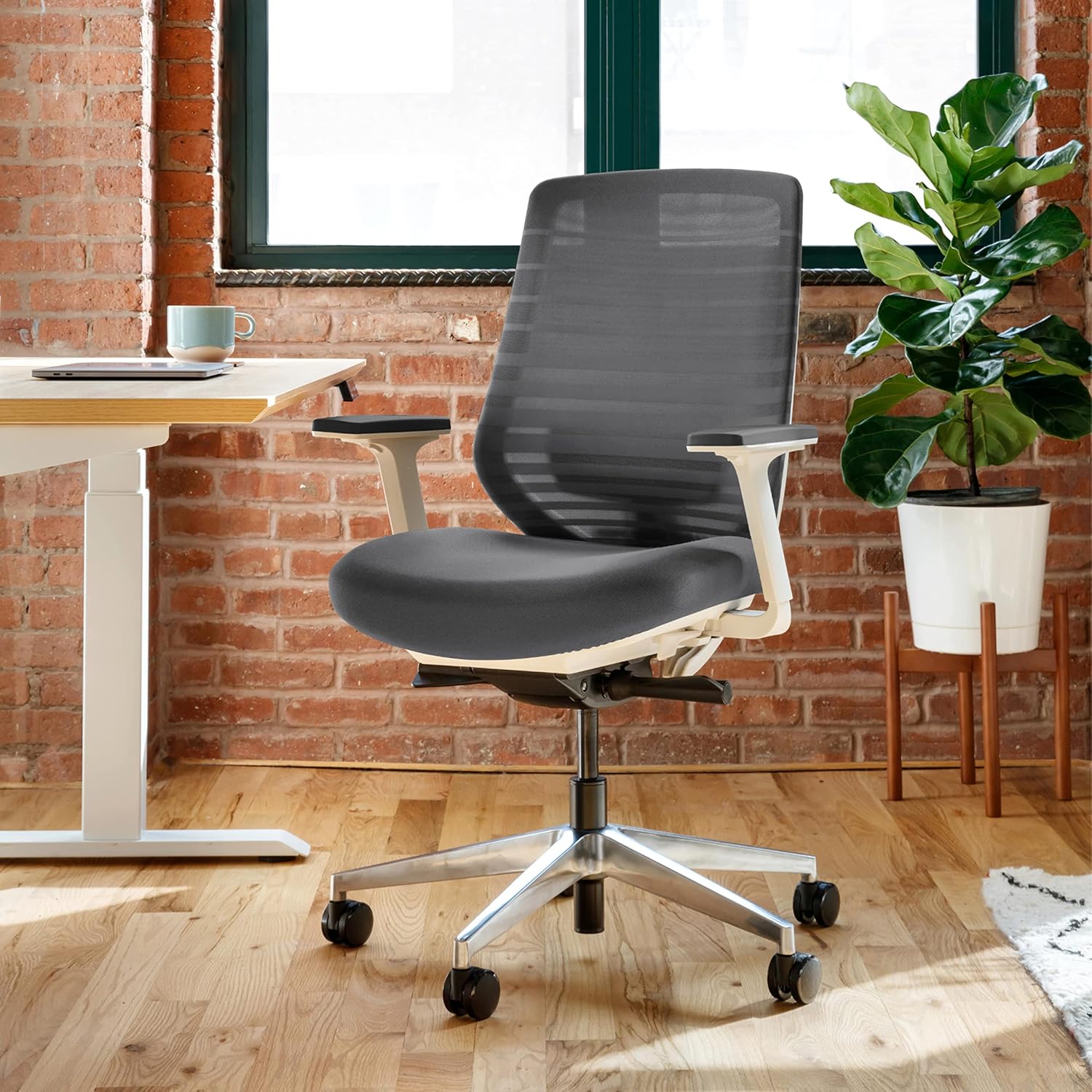
Hbada E3 Pro 2026 Edition Ergonomic Chair
Hbada's new $500-class flagship brings a 3-zone floating lumbar system and 720° 4D armrests that genuinely punch above their price tier.
Price may vary. As an affiliate, we earn from qualifying purchases.
What we like
- 3-zone floating lumbar actually tracks your spine as you shift, not just a static pad
- 720° 4D armrests lock in place — no more sagging or wobble after a few months
- Breathable mesh back stays cool through full workdays
- Optional retractable footrest is handy for reclined reading or calls
- Assembly takes under 30 minutes with clear instructions
Could be better
- Seat cushion is firmer than Branch or Steelcase — takes a week to break in
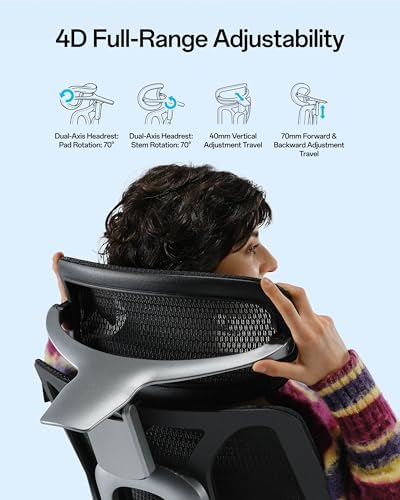
- Headrest adjustment range is limited for users over 6'2"
- Footrest feels slightly flimsy compared to the rest of the chair
Full Review
Hbada launched the E3 Pro 2026 Edition on March 25 as the successor to their popular E3 Pro line, and it’s clearly aimed at stealing market share from Branch Ergonomic Chair and Steelcase Series 1 buyers. At $549.99 with a footrest, it sits squarely in the uncomfortable middle price tier where most chairs feel like compromises. This one mostly doesn’t.
The 3-Zone Floating Lumbar Actually Works
Most “dynamic” lumbar systems at this price are a single pad on a spring. The E3 Pro 2026 splits support into three independent zones — upper lumbar, mid-back, and sacral — and each one moves with you. When I lean forward to type, the lower zone stays engaged while the upper zone releases. Lean back and the whole system repositions. It’s the kind of behavior I’d expect from a Herman Miller Aeron, not a $550 chair.
After three weeks of eight-hour days, my lower back fatigue is genuinely reduced versus the Branch Ergonomic I tested last fall. Not dramatically — but consistently.
720° Armrests Are the Underrated Feature
The armrests rotate a full 720° and lock firmly at any angle. This matters more than spec sheets suggest: 4D armrests on cheaper chairs loosen after a few months and start drifting during use. Hbada’s locking mechanism held tight through repeated adjustments. Height, depth, width, and angle all adjust independently with a clear click at each setting.
Build Quality vs Steelcase Series 1
The Series 1 still wins on seat cushion quality and long-term upholstery durability — that’s where Steelcase’s pricing goes. But the E3 Pro 2026 matches it on adjustability and beats it on back ventilation. The mesh is denser and more supportive than older Hbada models, and the aluminum base feels solid rather than plasticky.
If you want Steelcase’s 12-year warranty and retail showroom support, pay the extra $300. If you want 90% of the ergonomic performance for two-thirds the price, this is it.
Who Should Buy This
Buy the Hbada E3 Pro 2026 if you’ve outgrown a $200 mesh chair, you sit 6+ hours a day, and you want serious lumbar support without crossing into Steelcase or Herman Miller territory. Skip it if you prefer plush cushioning (look at Branch instead) or if you’re taller than 6’2” and need a larger headrest range — the Hbada E3 Ultra handles that better.