ASUS ROG Strix Scope II 96 RX Wireless
A 96% wireless keyboard with optical switches and tri-mode connectivity — a rare combination that splits the difference between Razer's optical TKLs and Wooting's hall-effect boards.
Price may vary. As an affiliate, we earn from qualifying purchases.
What we like
- Wireless optical switches at a 96% layout — a combo nobody else offers
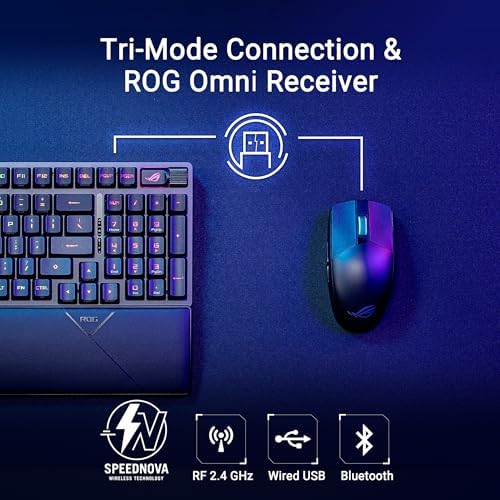
- Tri-mode connectivity: 2.4 GHz SpeedNova, Bluetooth (3 devices), and wired USB-C
- Pre-lubed ROG RX Red linears feel smooth out of the box
- PBT doubleshot keycaps resist shine and feel grippy
- Up to 8,000 Hz polling with the optional Polling Rate Booster
Could be better
- No analog input or rapid trigger — Wooting 80HE still wins on competitive features
- $200 is steep for a board without hall-effect or analog actuation
- Numpad on a wireless board adds weight you may not need
- Armoury Crate software is still bloated and slow
Full Review
The Strix Scope II 96 RX Wireless is ASUS’s attempt to occupy a slice of the high-end keyboard market that nobody else has touched: wireless, optical, and 96% all in one chassis. Razer’s Huntsman V3 Pro optical is wired and tops out at TKL. Wooting’s 80HE is wired and uses hall-effect, not optical. If you specifically want a numpad with optical switches and no cable, this is currently the only option.
Switches and Typing Feel
ROG RX Red linears are factory-lubed and sit on a foam-dampened plate. The acoustic profile is muted and consistent — no ping, no rattle on the stabilizers. Actuation is at 1.5 mm with a 1 ms response, which feels snappier than a typical 2.0 mm mechanical red but slightly less aggressive than the Huntsman V3 Pro’s adjustable optical actuation. The trade-off: ROG RX switches don’t offer per-key actuation tuning or rapid trigger. Once you set the keyboard up, that’s how every key feels, full stop.
Layout and Build
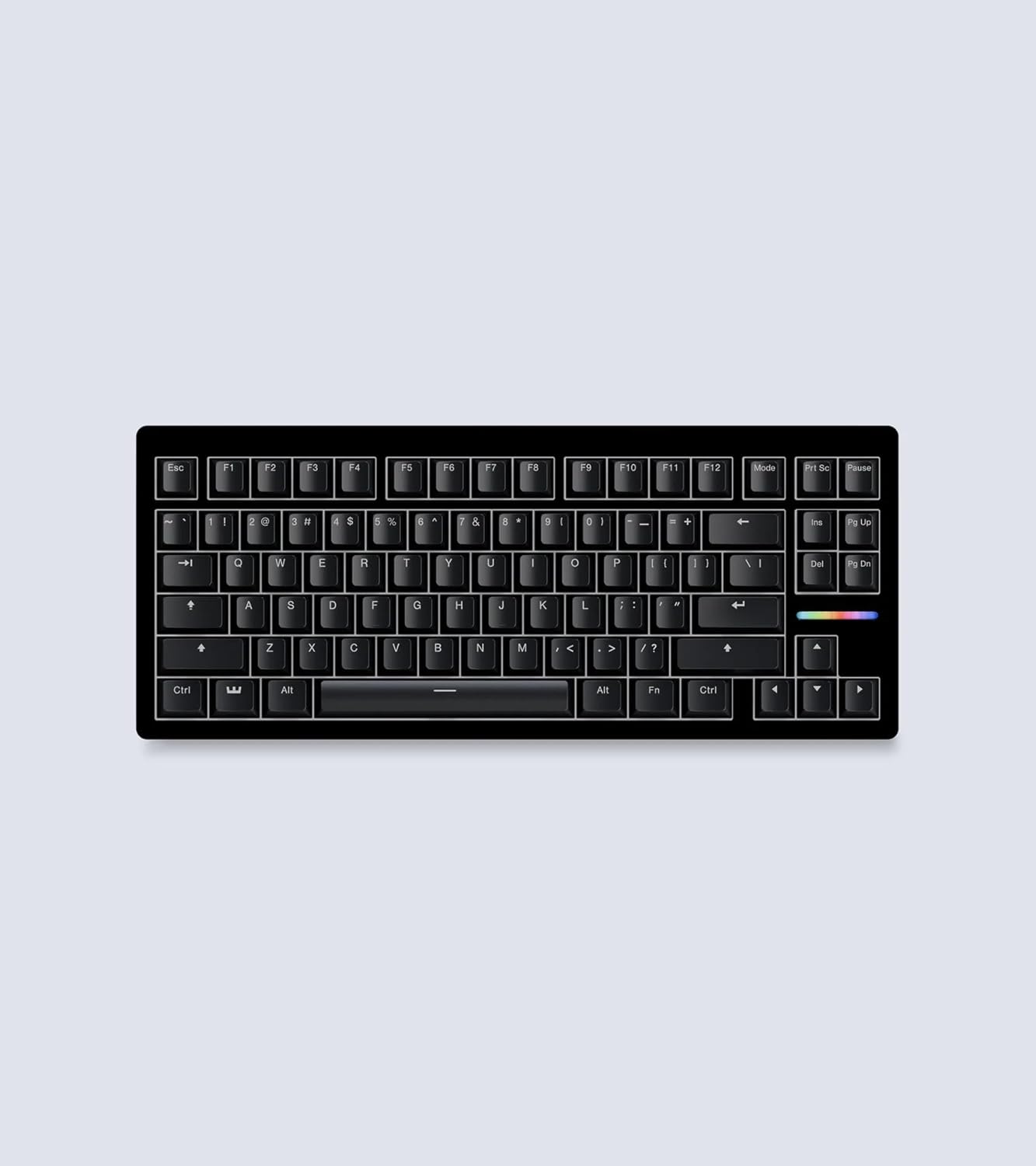
The 96% layout keeps the numpad while trimming the function row spacing and shrinking the arrow cluster against the right edge. It’s about a centimeter wider than an 80% but saves significant desk space versus a full-size. PBT doubleshot caps resist shine well — these will look the same in two years as they do unboxed. The aluminum top plate keeps flex minimal even though the bottom is plastic to save weight for travel.
Wireless and Battery
SpeedNova 2.4 GHz is the headline feature. ASUS claims 387 hours with RGB off, and in practice you’ll get a few weeks of heavy use between charges. Bluetooth handles up to three paired devices for switching between a work laptop and a desktop. Wired USB-C bypasses everything and unlocks 8,000 Hz polling if you also buy the separate Polling Rate Booster dongle — a baffling accessory split, but it works.
How It Compares
Against the Razer Huntsman V3 Pro TKL, you trade adjustable actuation and rapid trigger for wireless freedom and a numpad. Against the Wooting 80HE, you lose analog input and the best-in-class rapid trigger but gain a numpad, wireless, and a quieter typing profile out of the box. For gaming-only buyers, Wooting still wins. For mixed work/play where you want one wireless board on your desk, the Scope II 96 RX is the more versatile pick.
Who Should Buy This
Buy this if you want a wireless keyboard with a numpad, snappy optical switches, and a quiet typing profile — and you don’t need analog input or rapid trigger. If you’re a competitive FPS player chasing every millisecond, get the Wooting 80HE instead. If you don’t need the numpad, the Huntsman V3 Pro TKL is cheaper and offers per-key actuation tuning.