Apple Mac mini M4 Pro (24GB / 512GB)
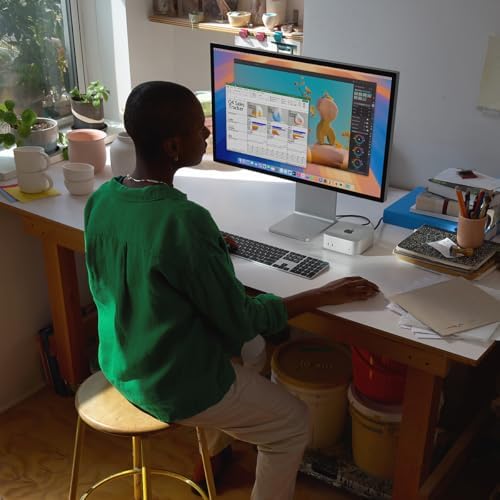
The pro home-office desktop — M4 Pro, 12-core CPU, 16-core GPU, 24GB unified memory, and 512GB SSD in a 5x5-inch box that outperforms most MacBook Pros for half the price.
Price may vary. As an affiliate, we earn from qualifying purchases.
What we like
- M4 Pro 12-core CPU and 16-core GPU rivals MacBook Pro performance
- 24GB unified memory handles local LLMs, Xcode, and 4K timelines
- Three Thunderbolt 5 ports plus front-facing USB-C and headphone jack
- Silent under sustained load — fan barely audible during exports
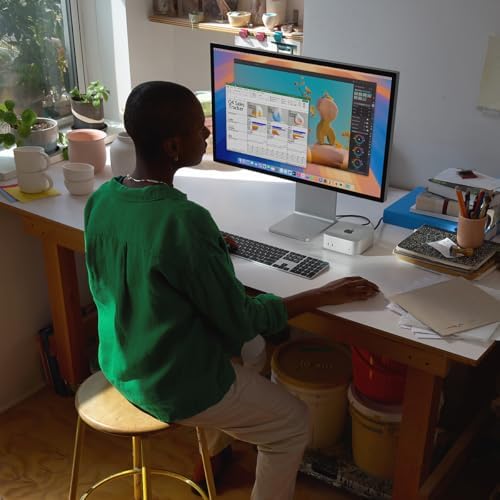
- Tiny 5-inch footprint disappears behind a monitor
Could be better
- 512GB SSD fills fast for video work — external storage practical
- No upgrades after purchase: RAM and SSD are soldered
- Power button is still awkwardly on the bottom
Full Review
The Mac mini M4 Pro is the desktop Apple should have been making all along. For $1,399 you get a chip that benchmarks within spitting distance of a $2,500 MacBook Pro 14, in a chassis the size of a sandwich, running cooler and quieter than either of its laptop siblings. After two months as my primary daily driver, the only thing I regret is not buying one a year ago.
The Chip Does The Work
The M4 Pro’s 12-core CPU and 16-core GPU are the real story here. Xcode builds that took 4 minutes on my M2 MacBook Air finish in under 90 seconds. A 20-minute 4K H.265 export in Final Cut Pro wraps in roughly the time it takes to make coffee. Local LLM inference — Llama 3 8B, Mistral 7B — runs at usable speeds thanks to the 24GB of unified memory and 273GB/s memory bandwidth, which is the spec that actually matters for AI workloads.
What surprised me most is sustained performance. Laptops throttle. The mini doesn’t. I’ve run hour-long Blender renders without seeing clock speeds drop, and the fan is so quiet I had to put my hand on the chassis to confirm it was even running.
24GB Is The Sweet Spot
The base $599 Mac mini with 16GB and an M4 chip is a great machine for browser-and-email work, but it falls over the moment you stack Docker containers, a few VS Code windows, a browser with 40 tabs, and a Slack instance. 24GB on the Pro gives you genuine headroom for pro workloads, and the GPU difference (16 cores vs 10) matters anytime you’re touching video, 3D, or ML.
If you’re a developer running local databases and containerized services, this is the configuration. If you’re editing 4K video on multi-cam timelines, this is the configuration. If you’re experimenting with local LLMs at 7B-13B parameters, this is the configuration.
Ports And Daily Use
Three Thunderbolt 5 ports on the back will run any combination of monitors and high-speed storage you can throw at them — I drive a BenQ MA320UG at full 4K 60Hz over one TB5 cable while keeping two others free for an NVMe SSD enclosure and the occasional Audio interface. The front-facing USB-C and headphone jack are genuinely useful design choices that the previous Intel mini ignored for a decade.
Storage at 512GB is the one place I’d push back. If you work in video or keep large model weights locally, you’ll outgrow it quickly. Pair the mini with a TB5 external SSD and you’re set; just don’t expect the internal drive to handle a serious media library.
How It Compares
The Mac Studio is overkill and over-budget for most home offices — you’re paying $2,000+ for headroom you may never use. The base Mac mini saves $800 but you’ll feel the RAM and GPU bottleneck inside a month if you do anything beyond browsing and email. The M4 Pro mini at this configuration hits the genuine middle that Apple has historically refused to offer.
Who Should Buy This
Developers, video editors, photographers, and anyone running local AI workloads who wants desktop-class performance without paying Mac Studio prices. If your work currently makes a MacBook Pro’s fans spin up, this mini will do the same job faster, quieter, and for roughly half the cost. Skip it if you only browse and email — the $599 base model is plenty. Skip it also if you need more than 24GB of RAM, in which case the Mac Studio is the better long-term buy.